Share this
A fresh update doesn’t need to mean chasing trends or replacing everything. If you anchor your approach in timeless design, natural materials, and wellbeing, you’re really talking about editing, lightening, and reconnecting the space to nature. Here’s a way to think about it that feels intentional rather than seasonal.
Start with subtraction
Spring and summer styling works best when you remove visual weight first. Clear surfaces, reduce heavy textiles, and edit decorative objects down to only what has meaning or texture.
Shift the material palette toward organic materials
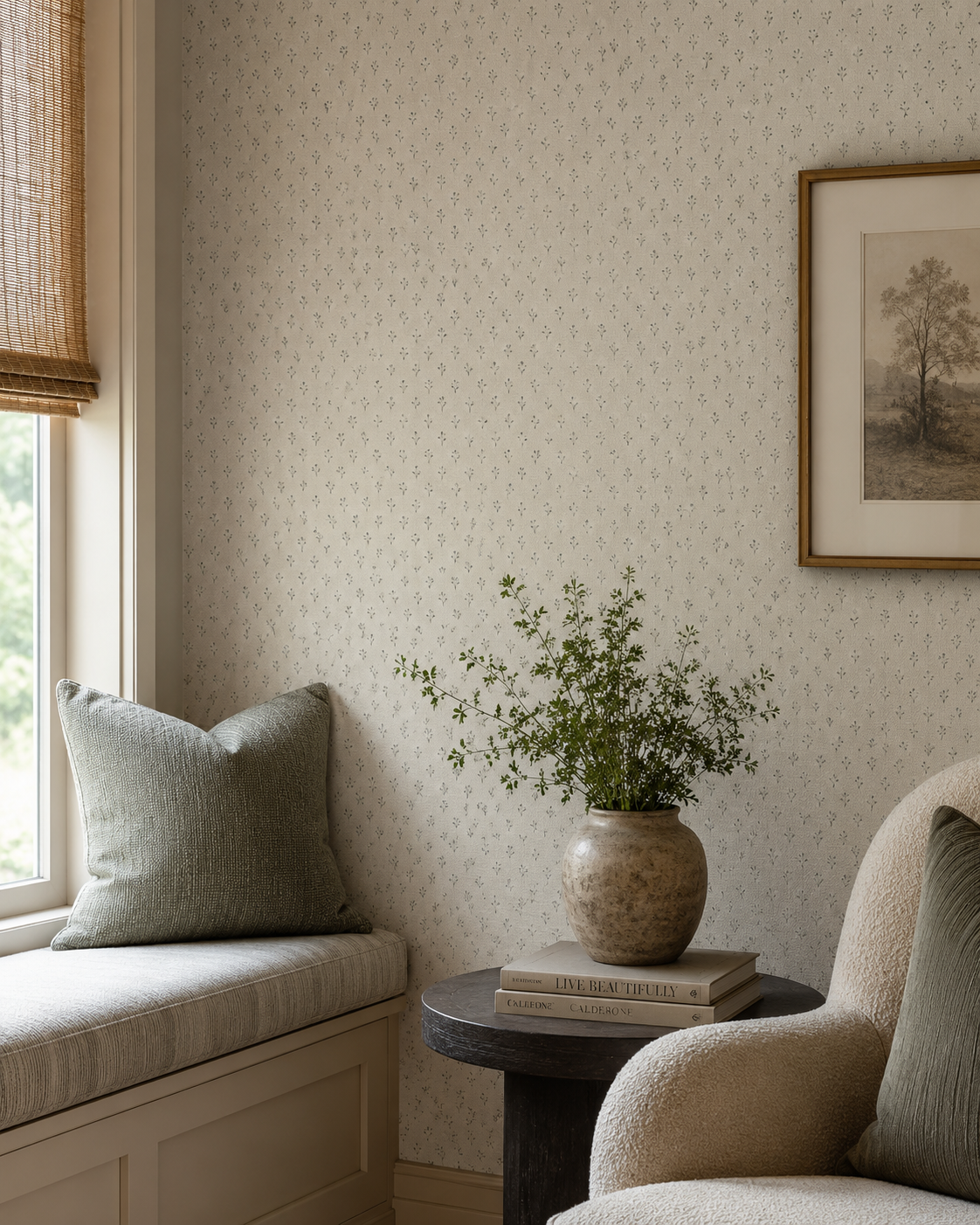
Instead of introducing bright seasonal colours, lean into materials that naturally feel lighter and more tactile:
This aligns with the principles of beauty in imperfection and natural aging, which keeps the space timeless rather than trend driven.
Rebalance light
Spring and summer are about quality of light, not just quantity.
If you want a concept to guide this, look at how light, air, and materials mimic nature.
Bring in nature, but keep it restrained
Instead of filling your home with plants, choose a few sculptural, intentional elements:
The restraint is what keeps it sophisticated and calming rather than cluttered.
Introduce softness through layering
You don’t need bold palettes. Instead:
This creates depth while staying timeless.
Design for wellbeing
Rethink how the space feels to live in:
You’re aiming for a space that, not only looks good, but lowers baseline stress.
Rotate, don’t replace
Instead of buying new decor, store and rotate:
This keeps things fresh without breaking the timeless foundation.
A simple guiding formula
If you want something easy to remember:
Edit objects → Lighten → Naturalize → Create more space